

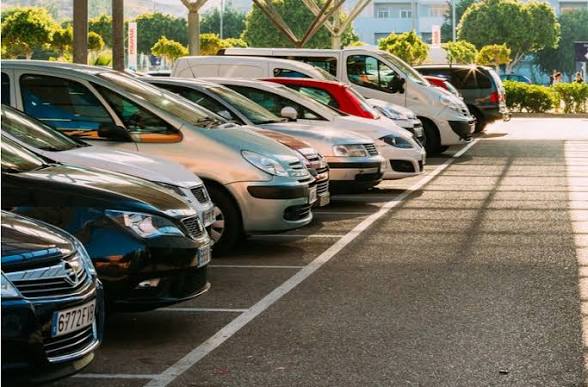
South Africans shopping for used vehicles are being warned to be increasingly careful when buying cars online, as criminals are using artificial intelligence and digital tools to make fraudulent vehicle advertisements look genuine.
The National Automobile Dealers’ Association (NADA) says fraudsters are becoming more sophisticated, making it harder for consumers to distinguish legitimate vehicle sellers from criminals.
AI is making car scams harder to spot
In the past, buyers could often identify suspicious advertisements through poor-quality photographs, spelling mistakes, fake logos, or unprofessional communication.
NADA says those warning signs are becoming less reliable.
Criminals can now use generative AI to create convincing vehicle advertisements, social-media profiles, email addresses, and even official-looking dealership identities. Some scammers can also manipulate or clone voice and video messages.
This means a vehicle advertisement that looks professional is not necessarily legitimate.
Beware of cheap repossessed-car deals
One of the scams highlighted by NADA involves supposed repossessed vehicles.
Fraudsters may claim they can secure a repossessed car for a buyer before it reaches a bank auction. The buyer is then asked to pay an upfront holding or reservation fee.
NADA stresses that repossessed vehicles in South Africa are sold through accredited auction houses and should not be secured through private messaging platforms such as WhatsApp.
Consumers should, therefore, be extremely cautious when someone offers a repossessed vehicle and demands an immediate payment.
Pressure to pay is a major warning sign
Another common tactic is creating a sense of urgency.
A scammer may tell a potential buyer that several people are interested in the vehicle and that an EFT must be made immediately to “hold” it.
This pressure is designed to stop the buyer from carrying out proper checks.
Consumers should never allow a seller to rush them into transferring money simply because they claim another buyer is waiting.
South Africa has a serious fraud problem
The warning comes against the backdrop of widespread scams in the country.
According to figures cited by NADA from the South African Police Service, 147,149 commercial crime cases were recorded between April 2025 and March 2026, representing a 2.5% increase in commercial and fraud-related offences.
A 2026 Global Anti-Scam Alliance study also found that 85% of participants in South Africa had encountered a scam during the previous year.
How buyers can protect themselves
Anyone considering a used vehicle should take several precautions before paying a deposit.
Buyers should verify that the dealership or seller is genuine, inspect the vehicle in person, check its documentation and vehicle history, and independently confirm the seller’s contact details.
They should also be suspicious of vehicles advertised significantly below market value, especially when the seller demands an immediate EFT or refuses an in-person inspection.
Most importantly, consumers should not assume that professional-looking photographs, websites, social media pages, or videos prove that a seller is legitimate.
The bottom line
The used-car market can provide more affordable options for South Africans, but buyers need to be particularly cautious when searching online.
The growing use of AI means scammers can now make fraudulent advertisements appear much more convincing than before.
Taking time to verify the vehicle, seller, and payment arrangements could prevent buyers from losing thousands of rand to a deal that never existed.